- Andreas Sheya
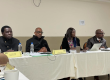
The Parliament of the Republic of Namibia is actively participating in the Organisation of African, Caribbean and Pacific States Parliamentary Meetings and the 1st Africa–EU Parliamentary Assembly held from 07–14 May 2026 in Ezulwini, Kingdom of Eswatini.
The high-level parliamentary engagements brought together legislators from Africa, the Caribbean, and the Pacific to deliberate on key issues highlighted under the Samoa Agreement, including economic cooperation, climate change, trade partnerships, peace and security, migration, and the strengthening of parliamentary democracy.
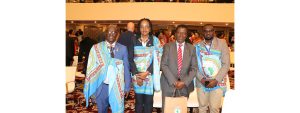
The Namibian delegation was led by Honourable Hilma N. Iita, Deputy Chairperson of the Standing Committee on Economy, Industry, Public Administration and Planning, accompanied by Honourable Immanuel Nashinge and Honourable Sebastian Karupu. Namibia’s participation reaffirms the country’s commitment to multilateral cooperation, democratic governance, and sustainable development among member states.
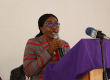
Addressing the OACPS Southern Africa Regional Parliamentary Group Meeting, Honourable Hilma N. Iita reaffirmed Namibia’s unwavering commitment to the promotion of human rights, constitutional democracy, good governance, and the rule of law. Namibia further emphasized the importance of transparent institutions, accountability, and meaningful citizen participation in governance processes.
Namibia also reiterated its position regarding the implementation of the Samoa Agreement, stressing that international agreements must respect national sovereignty, constitutional frameworks, and domestic legislative processes. While Namibia signed the Samoa Agreement, the country entered reservations on certain provisions relating to undefined terminology and commitments concerning sexual and reproductive health and rights pending national deliberations and constitutional consideration.
On peace and security, Namibia called for strengthened diplomacy, dialogue, and multilateral approaches to peacebuilding, while recognizing the important role played by the Southern African Development Community and the African Union in conflict prevention, mediation, and the maintenance of regional stability.
The Namibian delegation further underscored the need for equitable access to education, healthcare, social protection, youth empowerment, poverty eradication, gender equality, and skills development as critical pillars of human and social development. Namibia also advocated for industrialisation, value addition, economic diversification, entrepreneurship, and deeper regional trade integration to support inclusive and sustainable economic growth.
On environmental sustainability and climate change, Namibia described climate change as one of the greatest threats to sustainable development, particularly for developing countries. The delegation called for climate justice, increased climate financing, adaptation support, and meaningful technology transfer to developing nations, while reaffirming Namibia’s commitment to renewable energy development and sustainable natural resource management.
Regarding migration and mobility, Namibia advocated for safe, orderly, and regular migration founded on international cooperation and respect for human dignity. The country further highlighted the importance of addressing the root causes of irregular migration, including poverty, unemployment, conflict, and climate change. Contributing during deliberations, Honourable Immanuel Nashinge emphasized the need for equitable partnerships between Africa and Europe, particularly in relation to youth mobility, education, and skills development. He stated that African countries do not seek charity, but rather equity and mutual respect as equal partners within the framework of the Samoa Agreement.
Honourable Nashinge observed that visa asymmetries between African and European countries continue to undermine genuine partnership, noting that many African professionals, academics, researchers, and young people face disproportionate barriers when seeking access to European states, while European nationals often move more freely within Africa. He stressed that such inequalities contradict the spirit of partnership and shared prosperity envisioned under the Samoa Agreement.
On regional peace and security, Honourable Nashinge also raised concern over the continued instability in the eastern Democratic Republic of the Congo, calling on African leaders and regional institutions to confront the root causes of conflict with honesty and urgency. He stressed the importance of collective African responsibility in resolving conflicts affecting the continent and urged leaders to move beyond diplomatic formalities toward practical and lasting solutions that safeguard peace, human dignity, and continental solidarity.
The meetings continue to provide a strategic platform for legislators to exchange experiences and best practices on governance, legislative oversight, and policy implementation, while advancing South-South cooperation and ensuring that the voices of developing nations are effectively represented in global decision-making processes. The OACPS Parliament agreed upon eighty-seven recommendations aimed strengthening ties of mutual cooperation
Through its active participation, the Parliament of Namibia continues to strengthen its role in international parliamentary diplomacy and contribute to resolutions and recommendations that will shape future cooperation among OACPS member states. Namibia’s presence at the Assembly reflects its enduring commitment to partnerships founded on equality, mutual respect, sustainable development, and shared prosperity for all peoples.